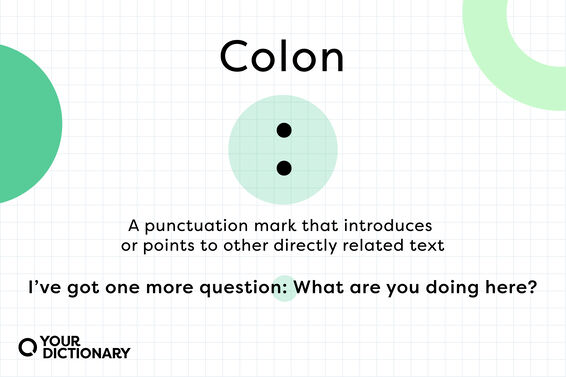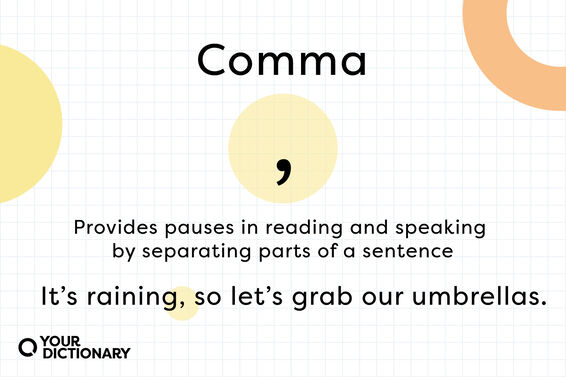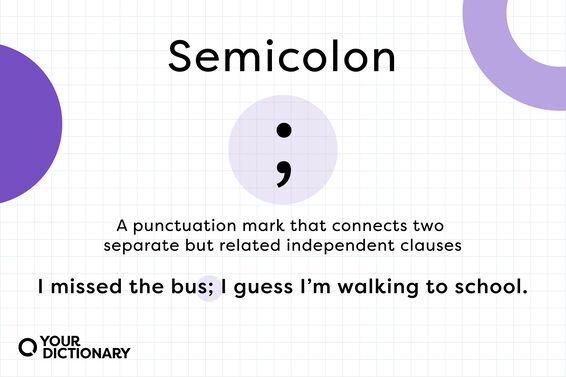
Colons, semicolons and dashes are perhaps the three most misunderstood punctuation marks in the English language. For starters, it seems no one can keep straight which is the colon and which is the semicolon, so let’s start there. Imagine that the first letter of each word is its head. Now imagine both words doing a head-stand. The Os in the words are the dots. “Colon” just has the two dots with little else (:). The semicolon has the two dots with a bunch of extra letters at the bottom, forming a sort of tail (;). There you go. Now for the hard part–how to use colons, semicolons and dashes.
We use colons for five things:
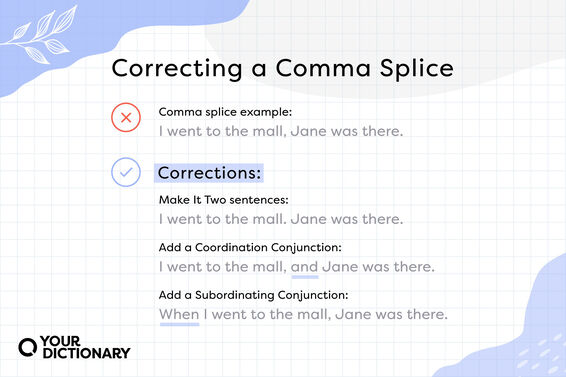
We use semicolons to separate two independent clauses that are not joined by a conjunction (for, and, nor, but, or, yet, so). These independent clauses are always closely related, but the second is not usually an explanation or clarification of the first. Often the second independent clause will begin with what is called a conjunctive adverb (however, moreover, additionally, therefore, thus, consequently, otherwise, etc.).
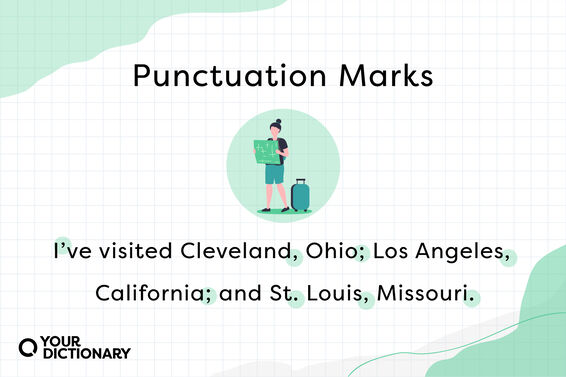
If you have a list, and some or all of the items in the list have commas in them, then separating the items with additional commas is just terribly confusing. Separate them with semicolons instead.
Also, if you have two independent clauses that each include several commas, you can join them with a semicolon and a conjunction.
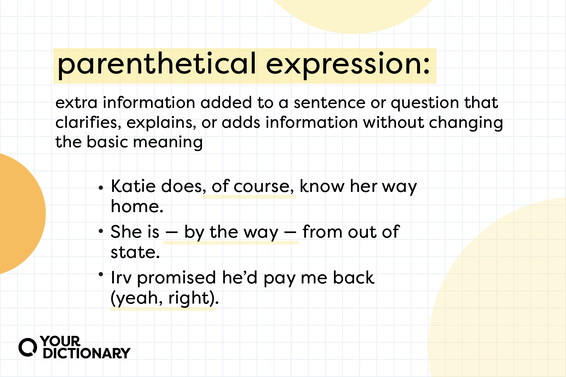
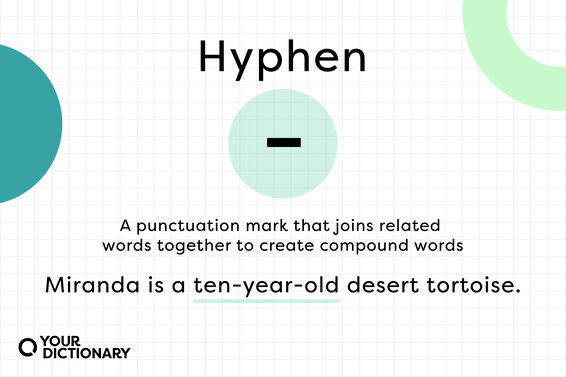
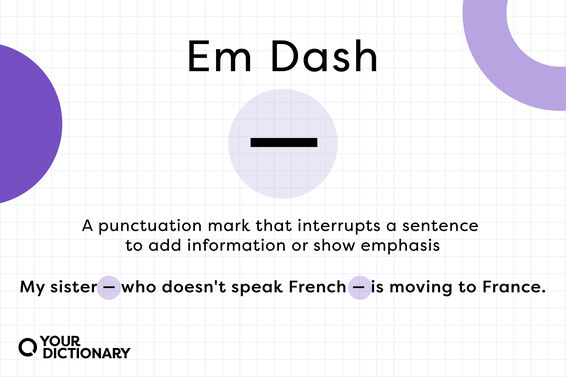
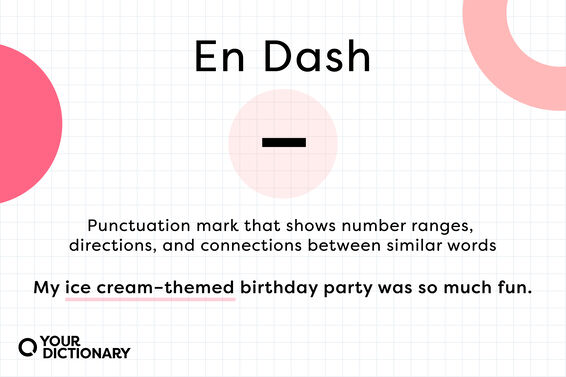
Think of a dash as the punctuation you need when you interrupt yourself. Use it when you need to interject something, and you want to draw attention to it, or when you need to explain or clarify something, but you don’t want to be so formal as to use a colon.
The thing one must be careful about with regard to any one punctuation mark is to use it sparingly. Writing that is filled with colons tends to look overly formal, too many semicolons comes off as pretentious, and an excess of dashes makes a story feel choppy. Try to vary the types of punctuation marks you use; it will make your writing clearer and more lively.