Whether you're getting ready for a trip to Italy or just looking to learn a few foreign words, slang is a great place to start. Dive into some modern and 19th-century Italian slang to expand your vocabulary.
Modern Italian Slang Terms
Just like English slang, Italian slang can get a little tricky. Why? Because a lot of Italian slang words have a literal and slang meaning. And, these are typically not the same. Explore a few modern Italian slang words and their literal and slang meanings to see the difference. Some Italian words and phrases don't have literal meanings, just slang meanings.
Italian Phrase | Literal Meaning | Slang Meaning |
a fagiolo | to the bean | to the t |
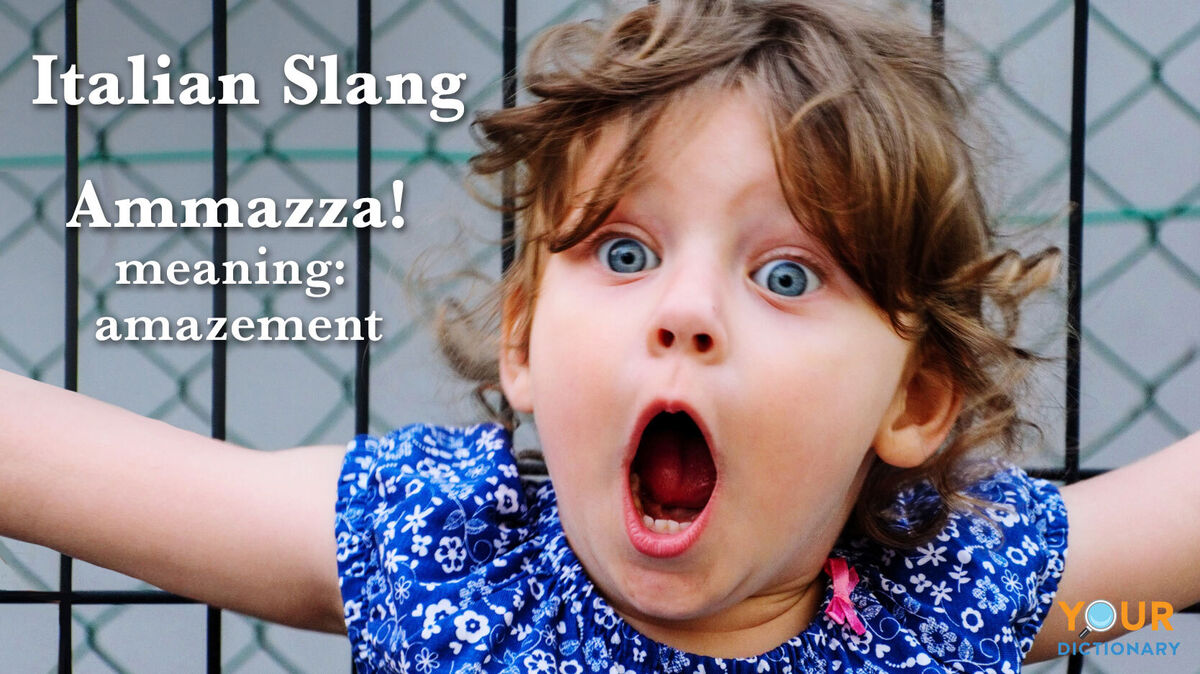
ammazza | to murder or kill | wow, amazement |
amore a prima vista | love at first view | love at first sight |
basta | (no literal meaning) | enough |
boh! | (no literal meaning) | I have not idea |
che figata | what a fig | that’s awesome |
che palle | what balls | that sucks; how annoying |
che schifo | (no literal meaning) | how disgusting |
cogliere in castagna | not just another old chestnut | getting caught red-handed |
dai | come on | come on |
essere un po’ di fuori | to be a little bit out | out of your mind |
figurati | imagine that | no worries |
in bocca al lupo | in the mouth of wolf | break a leg |
ma che sei grullo | But how stupid are you? | Are you joking? |
magari | maybe | I wish, let’s hope, maybe |
mangiare cadaveri | to eat dead bodies | to have bad breath |
meno male | less bad | thank goodness |
mi fa cagare | it makes me poop | it’s awful |
non fai scumbari | (no literal meaning) | stop embarrassing me |
pisolino | nap | afternoon nap |
ricco sfondato | endlessly rich | filthy rich |
spocchioso | what a cool thing | haughty |
un guastafeste | (no literal meaning) | spoilsport |
Slang in 19th Century Italy
You’ve explored some modern Italian slang terms, now it’s time to take a look at slang with some 19th-century roots. You know what they say, oldies are still goodies. Additionally, many of these slang words are still in use.
Italian Phrase | Literal Meaning | Slang Meaning |
accidenti | accident | wow |
allocco | owl | jerk, stupid |
boccalone | enormous mouth | gossip |
chiudere il becco | close to beak | shut up |
essere nelle nuvole | to be in the clouds | daydream |
fannullone | do nothing | lazy bum |
fare il grande | to do the big | show off |
inghiottire il rospo | swallow a toad | eat crow |
in verità | in truth | as a matter of fact |
leccapiedi | feet licker | brown noser |
locale | premises | night club |
mettere paglia al fuoco | put a straw to the fire | tempt fate |
nuotare nell’oro | swimming in gold | rolling in money |
olio di gomito | elbow oil | work hard |
quattro gatti | four cats | barely anyone |
spettegolare | to tattle | to gossip |
tappo | cork | very short man |
testona pelata | big peeled head | a bald man |
tirare un bidone a qualcuno | throw a trash can at someone | bailing out on someone |
tutto sale e pepe | salt and pepper | lively cheerful |
volente o nolente | willing or unwilling | like it or not |
How to Use Italian Slang Words
Ready to see when you might use some of these words or phrases? Check out a few different scenarios where you might slip in your Italian slang knowledge.
When your dad tells you to grab your gloves you could say, “Che palle.” (How annoying)
A friend makes the team. Che figata! (Cool!)
Someone is worried about paying you back. Figurati! (No worries!)
You step in dog poop. Che schifo! (How disgusting!)
Your friend is being slow. Dai! (Come on!)
You pass your test. Meno male! (Thank goodness!)
Your grandma is teasing you at the family reunion. Non fai scumbari! (Stop embarrassing me!)
Your brother doesn’t get up until past noon. Call him a “Fannullone.” (Lazy bum!)
When your bestie is going out for her big number. In bocca al lupo! (Break a leg!)
Building Up Your Italian Slang
Learning Italian slang can help you sound like a local on your next trip to Italy. But, Italian isn't the only other language you could learn. Once you’ve got these terms mastered, you can move on to Filipino slang.